All Categories
Featured
Table of Contents
The sector also dealt with more comprehensive macro headwinds, consisting of a more cautious policy backdrop in China and worldwide risk-off belief driven by geopolitical stress and higher energy costs. Thematic ETFs Struggled for the a lot of part, especially those connected to carbon and high-growth technology, as valuation pressures and international rate characteristics weighed on efficiency.
The petrochemical ETF substantially outperformed. Flows in Q1 2026 were modest and highly focused, reflecting selective allowance instead of broad market participation. In spite of weak performance, ETFs recorded $27.1 million in net inflows, with just a little number of products attracting brand-new capital. This indicates that investors were targeting specific exposures, while minimizing or rotating out of others.
Trading activity remained consistent, with typical 30-day volumes around 33,000 shares, focused in a handful of bigger and more liquid ETFs. Many activity appears to have actually happened in the secondary market, enabling investors to adjust positions without considerable primary creations or redemptions. While recent geopolitical events have led to more financial pressure on GCC countries, the region remains resistant and well capitalized to deal with the situation.
In January, Boreas released its S&P Global High-end UCITS ETF, including a niche thematic direct exposure focused on international luxury and customer brands. ETFs by the CMA for cross-listing on ADX.
Q1 2026 showed some progress associating with ETFs in the GCC. We anticipate more worldwide and thematic ETFs to list in the GCC during 2026. While the dispute has impacted belief and rates during the quarter, it has actually driven more volume and interest in local possessions.
Why Does Operational Excellence Vital for Future Growth?
In spite of ongoing geopolitical tensions and security risks across the Middle East, the economies of the Gulf Cooperation Council (GCC) have actually continued to show durability, keeping favorable growth momentum in recent years. While disputes in the broader area and worldwide economic unpredictability remain a structural restriction, GCC nations have so far restricted their effect on domestic financial efficiency through strong fiscal positions, policy continuity, and sustained financial investment.
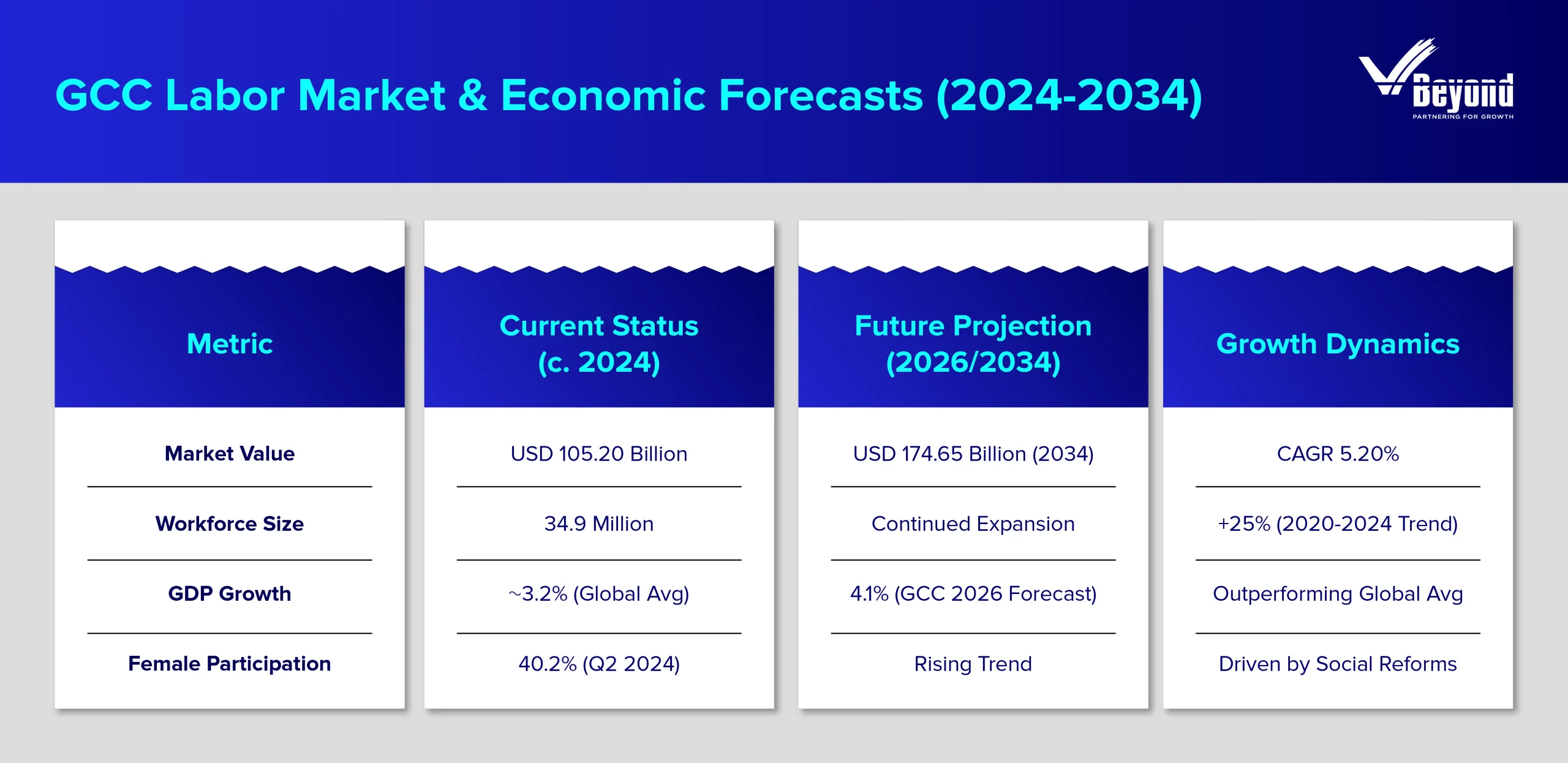
The World Bank, on the other hand, jobs 3.2 percent growth in 2025, speeding up to 4.5 percent in 2026. The IMF similarly sees momentum improving, with GCC output growth forecasted to increase from 1.7 percent in 2024 to 3.3 percent usually in 2025, reflecting a shift towards more favorable general conditions.
Maximizing Corporate Growth Through Strategic ExcellenceThe IMF's World Economic Outlook (October 2025) jobs worldwide growth reducing to 3.1 percent in 2026, with advanced economies around 1.5 percent and emerging market and developing economies just above 4 percent. On that comparison, a 4.44.5 percent GCC expansion would position the region materially ahead of the world average and slightly above (or broadly in line with) the emerging-market aggregate, enhancing the GCC's status as a fairly high-growth pocketprovided that local threat conditions remain consisted of and reform momentum holds.
How to Leverage GCC Intelligence for Growth
Data from the GCC Statistical Center show that non-oil sectors already represent more than 73 percent of total GDP, a share that has continued to increase as governments broaden investment in services, facilities, and innovation. According to Oxford Economics, non-energy activity across the GCC is predicted to grow by around 4.1 percent in 2026, supported by strong labor markets, enhancing credit conditions, and rising investment in innovation and AI-related infrastructure.
Public-sector investment and reform stay main to sustaining this pattern. Policy steps focused on attracting foreign direct financial investment, reducing foreign ownership guidelines, broadening capital markets, and supporting private-sector involvement continue to underpin non-oil expansion and decrease the area's exposure to oil cost volatility. While hydrocarbons no longer control the growth outlook, oil incomes are expected to play an encouraging role in 2026.
The World Bank, on the other hand, projects 3.2 percent development in 2025, speeding up to 4.5 percent in 2026. The IMF likewise sees momentum improving, with GCC output development forecasted to increase from 1.7 percent in 2024 to 3.3 percent typically in 2025, showing a shift toward more favorable overall conditions.
The IMF's World Economic Outlook (October 2025) projects international growth easing to 3.1 percent in 2026, with advanced economies around 1.5 percent and emerging market and establishing economies just above 4 percent. On that comparison, a 4.44.5 percent GCC growth would put the area materially ahead of the world average and a little above (or broadly in line with) the emerging-market aggregate, reinforcing the GCC's status as a reasonably high-growth pocketprovided that local threat conditions stay consisted of and reform momentum holds.
Comparing Innovative Strategies Versus Legacy Business
Data from the GCC Statistical Center show that non-oil sectors currently account for more than 73 percent of total GDP, a share that has continued to rise as governments expand investment in services, infrastructure, and innovation. According to Oxford Economics, non-energy activity throughout the GCC is projected to grow by around 4.1 percent in 2026, supported by strong labor markets, improving credit conditions, and rising financial investment in innovation and AI-related facilities.
Maximizing Corporate Growth Through Strategic ExcellencePublic-sector investment and reform remain central to sustaining this trend. Policy steps focused on drawing in foreign direct financial investment, alleviating foreign ownership guidelines, expanding capital markets, and supporting private-sector participation continue to underpin non-oil growth and minimize the area's direct exposure to oil rate volatility. While hydrocarbons no longer control the development outlook, oil earnings are expected to play a supportive role in 2026.

Latest Posts
Ways to Utilize Market Intelligence for Success
Advanced Strategy for Regional Success
Boosting Dubai Industrial Expansion Strategies