All Categories
Featured
Table of Contents
Sign up to receive the newest updates on all our occasions.
Enhancing ease of working through reimbursement incentives for federal government charges, land rebates, R&D and tax. Lowering customs expenses and improving procedures, as well as presenting regulatory reforms for commercial and real estate laws, and elevating requirements by presenting a digital geographical information system (GIS) mapping for industrial land search, and a unified assessment program for quality control.
In the early 1960s, Singapore set out to transform Jurong, then a remote, crocodile-infested overload, into a commercial estate. By the end of that decade, factories stood where mangroves as soon as grew, and Jurong had become the industrial heart beat of Singapore's economy.
Charting Regional Market Strategy for 2026
Half a century later, an equally enthusiastic experiment has been unfolding in the Arabian Gulf. Over the previous two decades, Dubai has actually pursued a bold technique to diversify its economy beyond conventional sectors and build a commercial base from the ground up. Central to this effort is Dubai Industrial City (DIC), introduced in November 2004 as part of a wider plan to produce a world-class manufacturing center in the emirate.
The objective was clear: enhance the commercial sector's contribution to Dubai's GDP, develop devoted zones for production, and better connect financiers to local markets. In other words, Dubai Industrial City was developed as a useful action toward a more diverse and sustainable economy. In the 1990s, Dubai's leadership recognized that the economy of the future might not depend on innovative services alone, it also required a productive engine to turn soft knowledge into difficult worth.
This resulted in the statement in November 2004 of Dubai Industrial City as a project "to create a more well balanced financial development model and increase the contribution of innovative productive sectors to GDP." Not long after the launch of Dubai Industrial City, Sheikh Mohammed bin Rashid Al Maktoum emphasized the wider purpose behind such industrial efforts.
From that minute, Dubai Industrial City became a lab for brand-new industrial policies. The city's initial blueprint fixated 6 specialized zones committed to essential sectors, varying from food and drink and equipment to metal items, standard metals, transportation equipment, and chemicals, combined with generous incentives. Facilities was constructed to high requirements, and custom-mades and tax exemptions were put in place to draw in early financial investment inflows.
Twenty years on, the city is home to more than 350 operating factories across sectors like food, metals, equipment, plastics, and clean energy, serving a network of over 800 local and global companies. Industrial land tenancy has actually reached 97% according to the newest information. In practice, Dubai Industrial City is no longer just a logistics zone, it has become a platform for advanced production and development that places human capital at the heart of the advancement equation.

Navigating Regional Corporate Strategy for 2026
Dubai's leading leadership acknowledged the significance of this industrial drive early on. This statement highlighted how deeply the industrial task had woven itself into Dubai's more comprehensive development narrative.
The region's largest seaport, Jebel Ali Port, was in place, along with a quickly broadening international airport. This powerful mix of sea, air and roadway links implied financiers might import basic materials and export finished items with unprecedented ease, preventing the costly hold-ups that once plagued local trade. Equally important was the pro-business regulatory environment.
Why UAE Talent Improvement Is a Competitive RequirementInputs brought into totally free zones were duty-free, and goods re-exported to markets outside the Gulf Cooperation Council (GCC) likewise escaped tariffs, a setup that significantly increased the appeal of export-oriented manufacturing. Studies by federal government companies at the time showed that lifting administrative obstacles and offering a versatile mix of commercial land choices plus financial rewards would open massive capital flows into the manufacturing sector.
The Function of Outsourcing in Attaining GCC Fiscal Effectiveness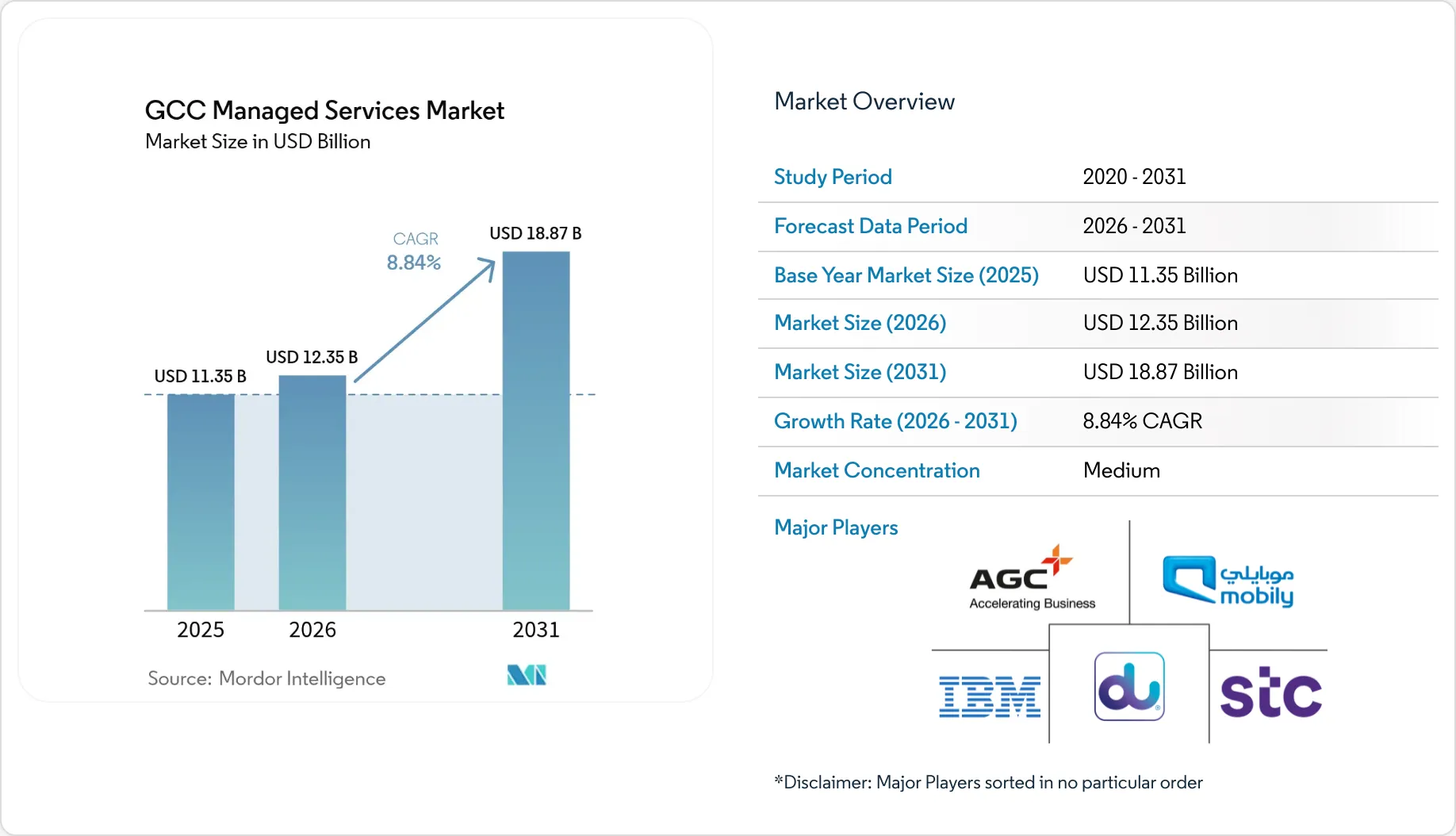
It remained in this beneficial context that Sheikh Mohammed bin Rashid, issued the historical decree establishing Dubai Industrial City in late 2004. The job formed part of Dubai's ambitious strategy to diversify its economic base, and from the start it was created to draw in commercial financiers from around the globe.

Latest Posts
Ways to Utilize Market Intelligence for Success
Advanced Strategy for Regional Success
Boosting Dubai Industrial Expansion Strategies